

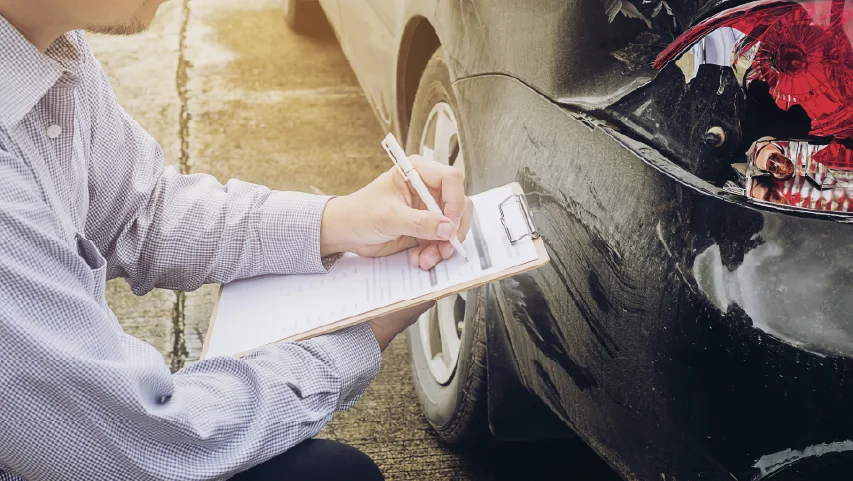
Does “Full Coverage” Car Insurance Cover It All?
Many people ask, “What is full coverage?” The truth is that full coverage is not a single type of insurance. Instead, it is a phrase used to describe a combination of coverage that gives a good level of protection.
What Full Coverage Typically Includes
A standard full coverage package usually contains:
- Liability Coverage: Pays for damage you cause in an at-fault accident.
- Comprehensive Coverage: Helps repair or replace your vehicle from non-collision events, like theft or fire.
- Collision Coverage: Covers damage to your car after a crash, whether or not you are at fault.
This package gives strong protection, but it does not cover everything. That is why the term “full coverage” can sometimes be misleading.
What Full Coverage Doesn’t Include
Car insurance companies offer other coverage options that are not automatically part of full coverage. Consider these:
- Medical Payments Coverage: Pays for medical expenses for you and your passengers after an accident, no matter who is at fault.
- Uninsured/Underinsured Motorist Coverage (UM/UIM): Helps cover costs when the other driver’s insurance is not enough.
- Emergency Road Service Coverage: Provides towing or roadside help if your car breaks down or is damaged.
- Customized Parts & Equipment Coverage: Protects custom upgrades like sound systems, rims or accessories that are not included in standard coverage.
- Rental Car Coverage: Helps pay for a rental car after a covered accident.
- Gap Coverage: Covers the difference between your car’s value and what you still owe on a loan or lease if your vehicle is totaled.
How Curry’s Can Help with Insurance
Even with full coverage, dealing with insurance claims after an accident can be confusing. That is where our Insurance Liaison service comes in. We work directly with your insurance company to handle paperwork, explain coverage details and help move your claim forward smoothly.
This allows you to focus on getting back on the road while we take care of the insurance process.
Tips to Make Sure You’re Fully Protected
- Review your policy carefully full coverage does not automatically include everything.
- Ask your insurance agent about additional coverage if you have custom parts, a financed vehicle or want roadside assistance.
- Understand what each type of coverage does and how it protects you after an accident.
Taking a few extra minutes to understand your insurance can save you time, stress and money in the future.